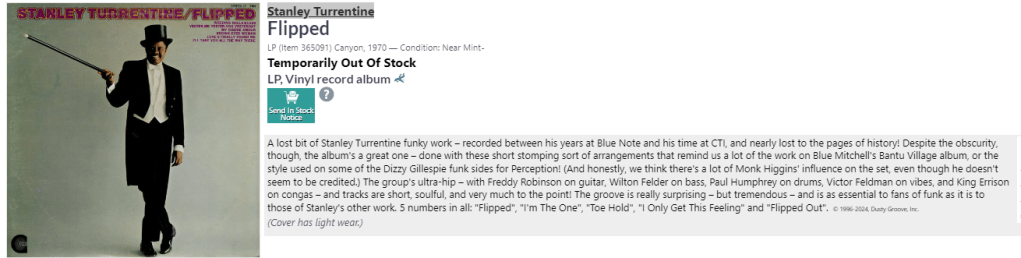
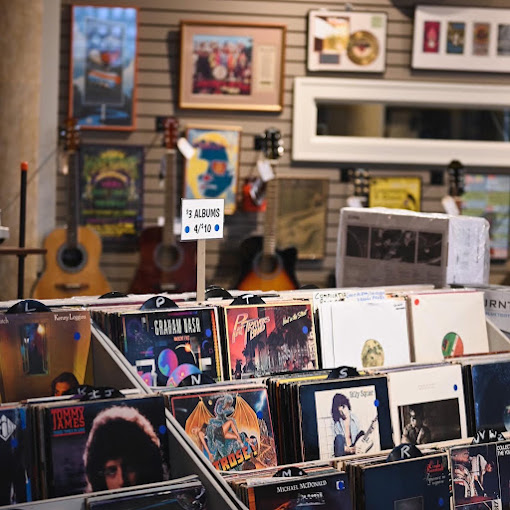
A few times a year we camp in Berrien Springs, Michigan at a campground called Shamrock Park. Usually our Saturday morning excursion is heading over to Benton Harbor to hit up The Livery for an incredible sour brew and some of the finest pizza you can get your hands on. Just down the street is another brewery called North Pier Brewing, which has great sandwiches and smooth IPA’s. After hitting both these spots I’ll separate from the group for twenty minutes and duck into 3 Pillars Music, this quaint record shop in the town square.
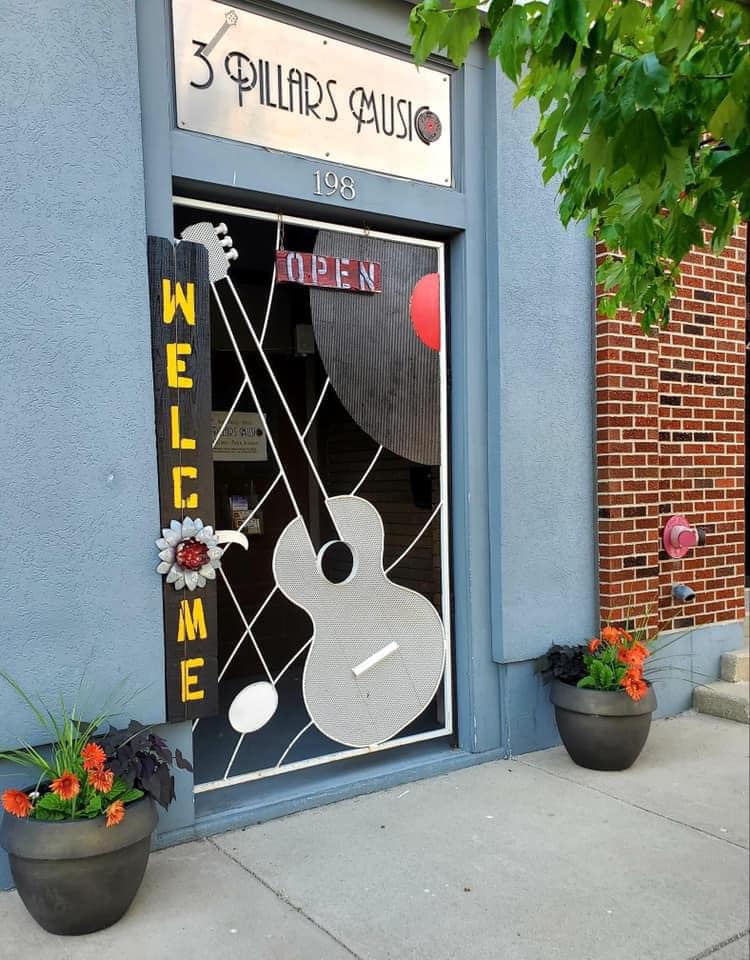
While at 3 Pillars I bought a handful of things. The Robyn Hitchcock album, Jewels for Sophia, winked at me from the shelves, a siren song from a twelfth album I’d somehow missed. Into the basket it went, alongside a stack of CDs and a trio of vinyl treasures. A quick flip through revealed Stanley Turrentine’s Flipped grinning back at me. A leap of faith, a gamble taken on a name I knew, a sound I craved. Though, to be honest, I wasn’t sure what I bought was any good until a few days later when I got home from camping and had the chance to throw it on the Fluance.
What did I hear to my surprise, was a cover of “Wedding Bell Blues,” a song written and recorded by Laura Nyro in 1966. The best-known version was a number-one hit for the 5th Dimension in 1969, but thanks to Mozzer, who covered this for his California Son album back in 2019, I knew this pop gem well and was a big fan. Turrentine’s saxophone filled the room and that familiar melody danced through the speakers, at once unexpected and utterly delightful. This is where Stanley Turrentine sent me down a rabbit hole. My curiosity was peaked, “Who else covered this?”
My Spotify search rendered several versions including the 5th Dimension, who had the most success with the tune. They reimagined the song and gave it life with a big horn intro and soulful vocals courtesy of the stunning Marilyn McCoo. The “Wedding Bell Blues” black hole had officially pulled me in.
Leslie Gore crushes her take with a classic vocal cover. Her tone is incredible, to say the least. Bobbie Gentry does a sultry version that comes complete with an oboe and don’t miss the super steamy album cover. You’ll Fancy a night in with the missus.
A few other versions of note include Glee Cast’s true-to-form styling sung by Emma (Jayma Mays) with Coach Beaste (Dot-Marie Jones) and Sue (Jane Lynch) singing backup. This video proves the worth of the song and the staying power it has.
The Roches run vocal scales during the really fun intro, and, while you’re at it, lend an ear to the live rendition done by McCoo and Billy Davis, Jr. Whew, that dark void of WBB held me captive for a minute. Now, back to our show in progress.
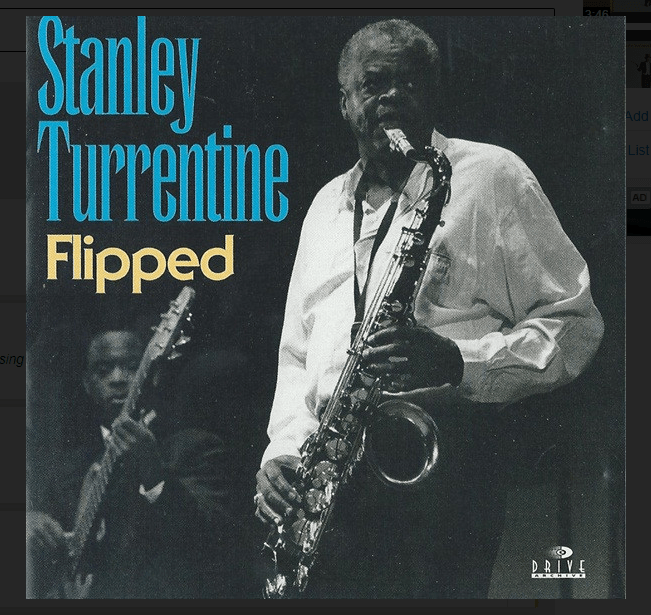
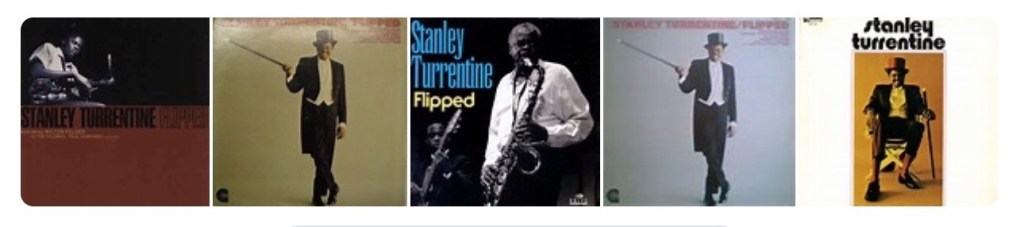
Flipped is an album of cover songs recorded in Los Angeles between 1969 and 1970, and released in the summer of 1970. It has been issued in a variety of ways since then.
There’s an upbeat version of Stevie Wonder’s “My Cherie Amour,” a cover of the Grateful Dead’s “Brown Eyed Woman” (which I wasn’t very familiar with until now), and a smooth jazz take on “Let It Be.” Remember, this is way before people categorized things as such, but that’s what it is, really smooth. There are several songs on Flipped that I’ve never heard, and “I’ll Take You All The Way There” was one of them. But I love the organ and how it lays a path for Stanley to get in there and grind on it. There’s some fun stuff on here if you can snag a copy for the right price; it’s worth a night of wine and debauchery.
“My Shore” is nice, but it doesn’t do as much for me as his cover of “Let It Be,” as Turentine takes liberties near the end of the song, adding new intricacies to the Beatles’ version. I’d be remiss if I didn’t speak again on “Wedding Bell Blues,” reimagined with a soulful sax, shedding its pop skin and donning a smoky, late-night ambiance. He’s made it entirely his own with that effortless cool of his, surpassing even Morrissey’s recent dalliance with the tune. The touch he elicits in the song sounds like a vocal melody at first. Beginning on a high note his sax sounds like a human voice as it sings throughout the piano part. It’s fantastic, and this intro is what led me down a rabbit hole that opened with Morrissey and ended with Bobbie Gentry. Now I’m digging Stanley’s version, and smiling brightly at how connected music can be. A lot of artists have covered this love song, that begs for a wedding, but Moz and Turrentine have locked in my favorite two versions at the moment.
 And your ears shall hear...
Leave a reply to Exploring Vinyl Treasures at 3 Pillars Music – And your ears shall hear… Cancel reply